Origin: Late 1980’s USA
Characteristics: Emphasis on expanded, artistically-inclined songwriting, and instrumental technicality
Typical Live Hand Gesture: Really depends on the band
What is the appeal?: Cerebral, left-field songwriting keeping listeners interested; extreme, awe-inspiring technicality on each instrument
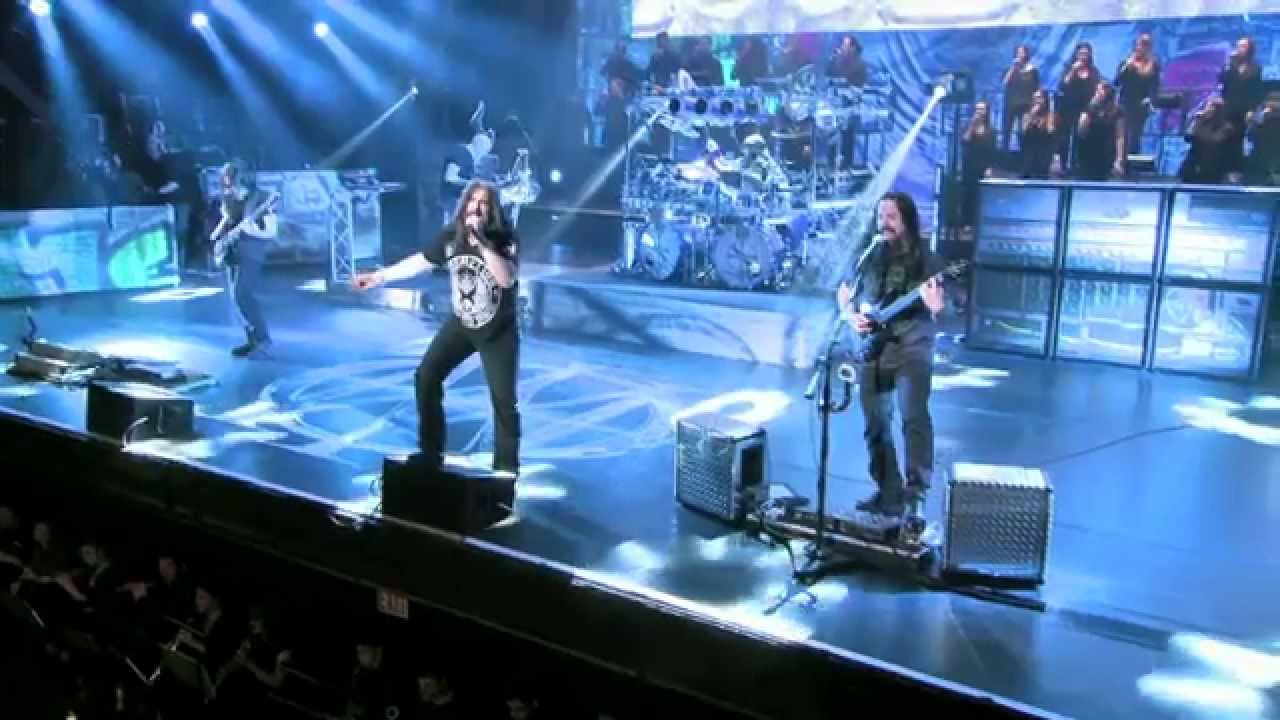
Progressive metal came to be in the late 1980’s, when bands such as Queensrÿche, Fates Warning, and Dream Theater (formerly Majesty) infused classic, melodic, fist-pumping heavy metal with expanded songwriting and an emphasis on technicality, earlier seen in progressive rock bands such as Canada’s Rush.
Progressive metal would get more and more technical as time went on, with instrumentalists utilizing frequent time signature changes, dramatic changes of timbre, and unconventional song structures in their songwriting.
Progressive Extreme Metal

Origin: Late 1980’s USA; More present internationally from the late 1990’s
Characteristics: Harsh, aggressive, and dark extreme metal genres infused with progressive songwriting
What is the appeal?: Progressive metal for fans of extreme metal, or extreme metal for fans of progressive metal; masterful technicality; explosive changes in timbre
Progressive extreme metal isn’t so much of a genre itself as it is a movement seen across different genres of extreme metal. Extreme metal bands have been expanding their songwriting techniques going back to Metallica’s 1988 album …And Justice for All, and progressive songwriting has become more widely applied since then, even being something of a mainstream trend in the 2010’s.
Death’s utilization of progressive and technical songwriting in their last four albums was hugely influential on death metal as a whole, steering parts of the genre in a progressive direction. The USA would have bands such as Cynic and Atheist follow, incorporating elements of jazz into their technical and progressive songwriting. In the 1990’s, across the Atlantic, Swedish bands such as Opeth and Edge of Sanity would similarly come unto themselves as progressive death metal bands, even citing 1970’s progressive rock bands as major influences. Opeth’s success, in particular, would carry into the 2000’s and beyond, when they would be joined in the progressive style by bands such as Britain’s controversial blackened death band Akercocke, and Norway’s Enslaved, who formerly played classic Norweigan black metal.
Come the 2010’s, progressive extreme metal was perhaps the closest thing to a universal trend within extreme metal. Bands from all over extreme metal and metalcore would add progressive influences into their songwriting, and bands such as Ne Obliviscaris, Beyond Creation, Fallujah, Ulcerate, Black Crown Initiate, and many more would flood the internet metal underground.
Djent
Origin: Late 90’s Sweden; popularized early 2010’s USA
Characteristics: Emphasis on rhythmic, percussive “chugging”
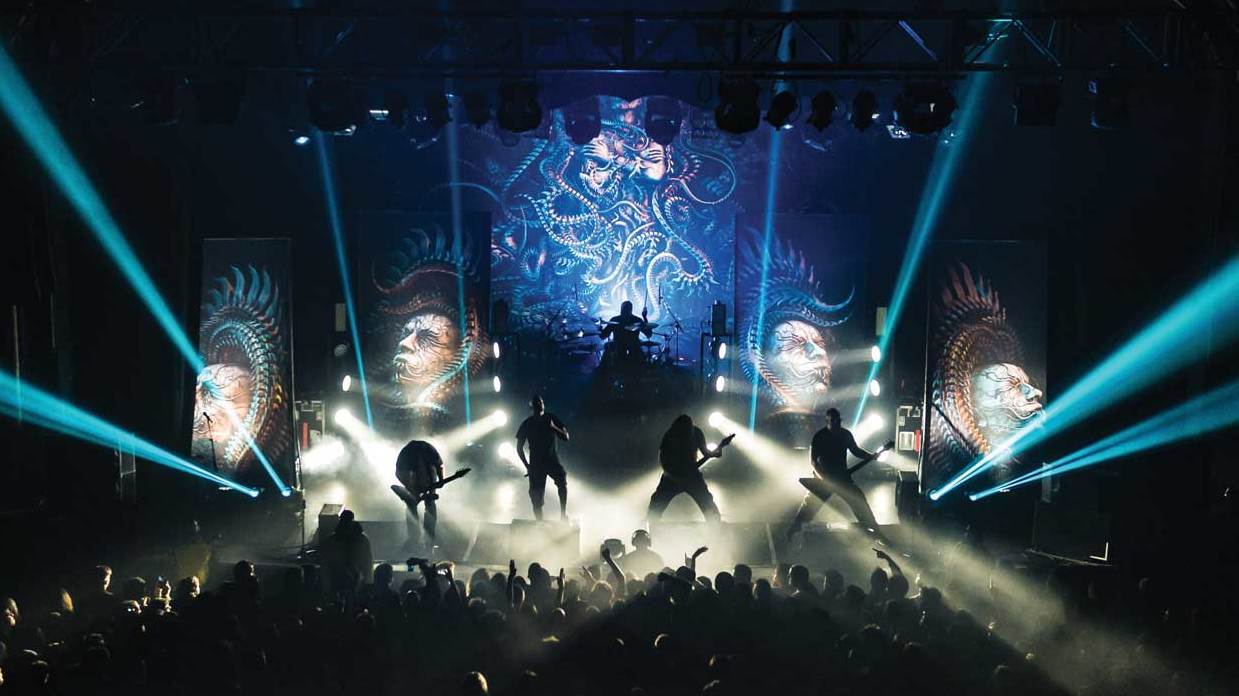
What started as a “drunk misunderstanding” between Meshuggah’s Fredrik Thordendal and an “old-school fan” came to be a label for a subgenre of progressive metal that would become something of a metal trend in the early 2010’s, that label being djent. Many musicians deny the existence of djent as a subgenre; however, if melodic death metal can be called a subgenre of death metal for its distinctive guitar style, djent ought to be considered its own subgenre of progressive metal, as well. After all, it’s a fairly clearly defined guitar style, that has spawned dozens of bands all connected within this scene.
Both the label and the sound of djent originated with Sweden’s Meshuggah. Thordendal is often cited as the main creator of the djent guitar style, consisting of down-tuned, rhythmic, percussive, start-stop riffing, making heavy use of palm-mutes. Djent bands push the rhythmic technicality of progressive metal to an extreme, often incorporating complex poly-rhythms and rhythmic riff patterns that don’t repeat themselves.
Works Cited
Camp, Zoe. “Meshuggah Apologize for Djent: It Was ‘Drunk Misunderstanding.’” Revolver, Project M Group LLC, 24 July 2018, http://www.revolvermag.com/music/meshuggah-apologize-djent-it-was-drunk-misunderstanding.
 The Metal Beholder