Origin: 1990’s USA
Characteristics: Percussive mosh riffs, emphasis on breakdowns; combination of hardcore punk’s energy and attitude with metal’s distortion and heaviness
Typical Live Hand Gesture: 🖐 or just moshing, or hardcore dancing
What is the appeal?: Cathartic and empowering heaviness
Despite that metal and punk fans would often clash throughout history, metal and hardcore punk have just as much of a history of influencing each other and creating new fusion genres, going back to thrash metal being influenced by hardcore punk’s speed and aggression, and the creation of crossover thrash by bands such as Suicidal Tendencies. In the 1990’s, a handful of bands would combine further elements of metal and hardcore punk to create metalcore, one of the most popular families of metal today. Bands such as Integrity and Earth Crisis created metal-influenced hardcore (later distinguished as metallic hardcore) with heavy mosh-oriented riffs and shouted vocals. Later in the 1990’s, going into the early 2000’s, bands like Converge would take this metallic hardcore approach further, with works such as 2001’s Jane Doe being an absolutely chaotic assault of fury and dissonance. Dissonant riffs would become a staple of metalcore music, along with an emphasis on implosive breakdown passages.
Melodic Metalcore
Origin: Early/mid 2000’s USA
Characteristics: Utilization of melodic death metal riffs and clean singing as well as percussive metalcore riffs and breakdowns
What is the appeal?: Feelings of nostalgia; cathartic, energetic guitar playing
In the mid-2000’s, a number of metalcore bands took influence from Gothenburg melodic death metal, particularly At The Gates’ 1995 triumph of an album, Slaughter of the Soul. These bands would infuse their take on metalcore with melodic riffs that wouldn’t have sounded out of place on an At the Gates or In Flames record, as well as passages of clean singing. This style of melodic metalcore would overshadow nu metal as one of the most popular metal genres of the mid-to-late 2000’s, with bands such as Killswitch Engage and Trivium introducing a new generation of fans to melodic metal.
Deathcore
Origin: Mid-2000’s USA
Characteristics: Heavy, breakdown-oriented metalcore with guttural death metal vocals
What is the appeal?: Cathartic and empowering heaviness, especially in breakdowns
As time went on, it was inevitable that metalcore and melodic metalcore would be expanded upon and made even more extreme. Thus was born deathcore, reaching into the abyss of death metal to infuse the most breakdown-laden and percussive style of metalcore yet with death metal elements such as growled vocals. As the years went on, deathcore bands would tune lower and lower, often crossing over with the guitar styles of djent or slam death metal.
Works Cited
“Metalcore.” Rate Your Music, Sonemic Inc., rateyourmusic.com/genre/Metalcore/.
“Melodic Metalcore.” Rate Your Music, Sonemic Inc., rateyourmusic.com/genre/Melodic+Metalcore/.
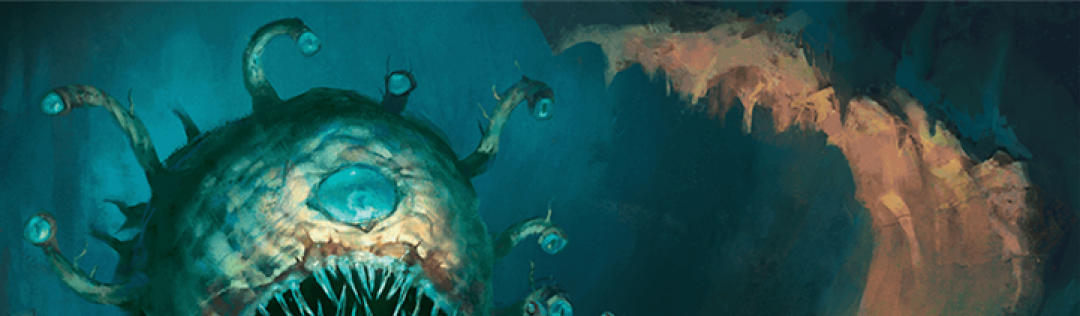
 The Metal Beholder